
Nutrition for Parkinson’s
Your doctor may have told you that eating in a certain way can help your Parkinson’s symptoms… but have you ever wondered why?
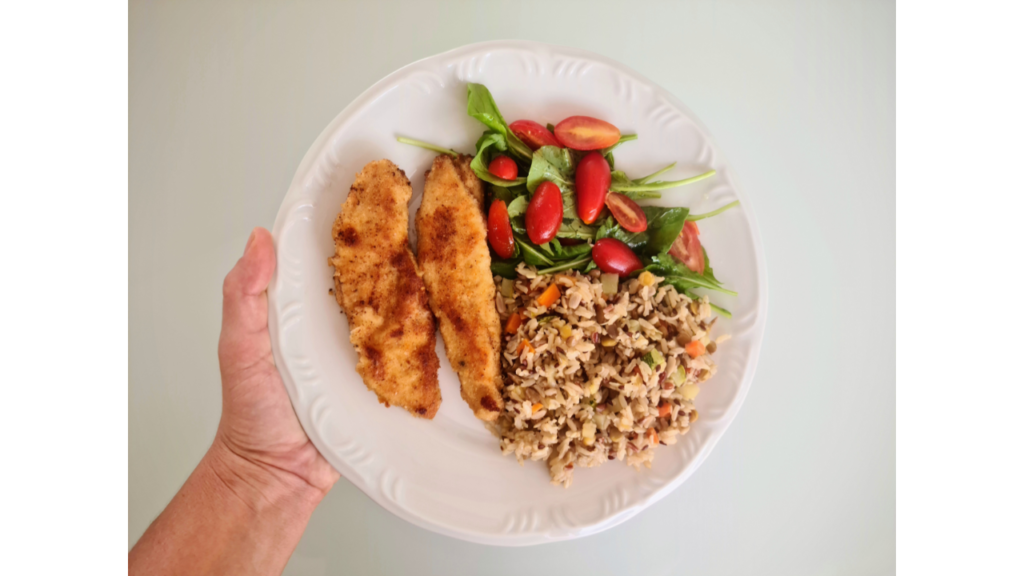
In the latest episode of Shaking It Up with Parkinson’s , Maria and Vicky are joined by nutritionist Melody Mackeown for an eye-opening conversation about the relationship between diet, gut health and Parkinson’s.
Melody works with clients living with neurological conditions through her clinic, You Nutrition Clinic, and brings both clinical expertise and real-world client experience to the table. Keep reading to learn about the science behind the gut-brain connection, the practical impact of what we eat on symptoms and medication, and the meaningful improvements Melody has seen in her clients.
The gut-brain connection
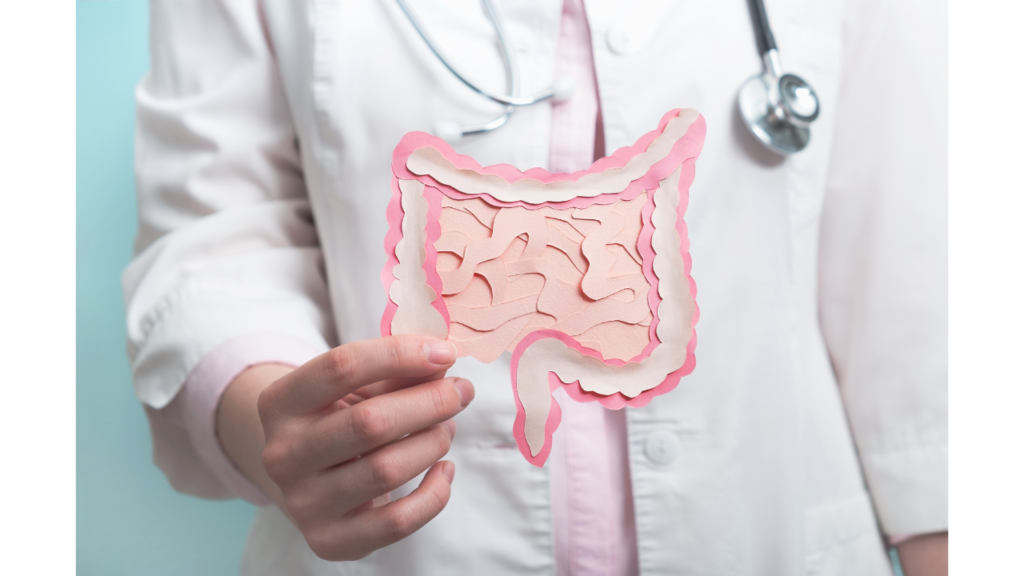
Melody breaks down the three main components connecting the gut and the brain:
- the enteric nervous system (a vast network of neurons running from the throat to the rectum, often called the second brain)
- the vagus nerve (described as a motorway cable between gut and brain)
- the gut microbiome.
All three play a significant role in neurological conditions, including Parkinson’s.
The gut microbiome and dopamine
What’s notable about the gut-brain connection is that the gut produces around 50% of the body’s dopamine, a chemical messenger that is found to be depleted in people with Parkinson’s. The balance of bacteria in the microbiome plays a role in how much dopamine is available.
Due to this, Melody explains that people with Parkinson’s who have more imbalanced gut bacteria tend to experience worse motor symptoms and more severe non-motor symptoms including fatigue, anxiety and sleep disturbances.
So, does Parkinson’s start in the gut or the brain?
There are two main theories…
In some individuals, gut inflammation may contribute to the misfolding of proteins, driving Parkinson’s.
In others, it may start in the brain.
Patients with long-standing gut problems before diagnosis, including IBS and chronic constipation, do appear to support the gut-first theory, while those who experience early loss of smell may point toward a brain-first pattern.
Protein timing and medication absorption
Slower gut motility doesn’t just cause constipation – it also affects how well food and medication are absorbed, making it a priority area to address. This is a notable fact when 80% of people with Parkinson’s experience constipation.
A practical way to address this issue is to remember that protein and dopamine medications use the same transporter system in the gut. Taking medication too close to a high-protein meal can significantly reduce how well it’s absorbed. Melody always checks this with new clients and has seen people regain strength and energy simply by adjusting when they eat, rather than cutting protein out.

What are the best foods to eat for Parkinson’s?
- probiotics found in fermented foods like kimchi, kefir, kombucha and tempeh to support the gut-brain connection
- prebiotic fibres feed the beneficial bacteria already present and can help shift the gut toward a more anti-inflammatory profile.
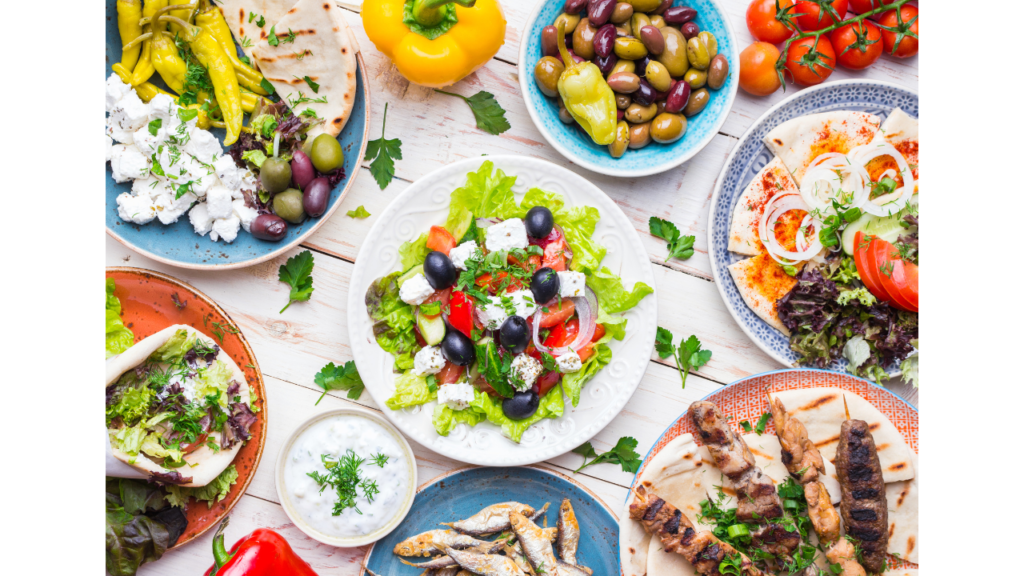
- The Mediterranean diet is, according to Melody, the most evidence-based approach for people with Parkinson’s, focused on diverse plant-based foods, whole grains, healthy fats from nuts, seeds and olive oil, oily fish, legumes and fermented foods.
- The MIND diet was also mentioned as a close cousin with similar components and supporting evidence.
What to avoid and what’s negotiable
- Sugar contributes to displacing beneficial foods and feeding the dopamine-hit cycle that many people with Parkinson’s fall into fatigue
- Alcohol affects balance and isn’t helpful, though Melody takes a pragmatic approach with clients rather than a blanket ban
- Coffee can stay in for many people, though if sleep or anxiety is affected, switching to decaf is worth trying – one of Melody’s clients has seen dramatic sleep improvements simply by making that swap
Real results
Melody shared some of her clients’ success stories. One client who had been sleeping for four hours during the day came down to 30 to 60 minutes of daytime rest and woke up refreshed – and has stayed that way for over a year. Several clients reported being able to follow conversations and socialise again after dietary changes. And, unexpectedly, some clients partially or fully regained their sense of smell – something Melody hadn’t specifically targeted but has now seen more than once.
Melody says the key is not trying to out-supplement a poor diet – get the basics down first, then build target support where needed.
Exercise
By implementing a proper nutrition plan, it is possible to regain the energy you need to fuel your Parkinson-specific exercise journey. One does not replace the other, diet and exercise must work in tandem.
To explore beginner exercise for Parkinson’s, check out our Get Started Programme, or head over to our YouTube for a variety of free workouts!
For more, Listen to Shaking It Up with Parkinson’s below!